
EN JA

Schools / United States

Choate Rosemary Hall

333 Christian Street, Wallingford, CT 06492, USA
Official website
  • Boarding / Day
  • Co-ed
  • Grades 9–12
Choate Rosemary Hall

Summer School

Available

Financial Aid

Need-based

Admissions

Gateway

About the School

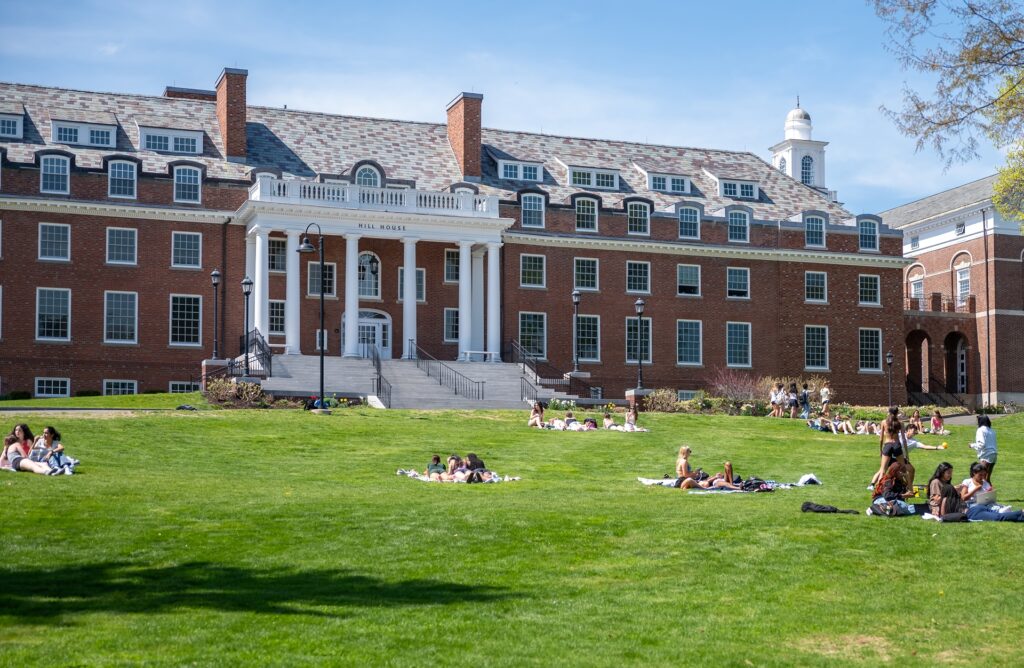
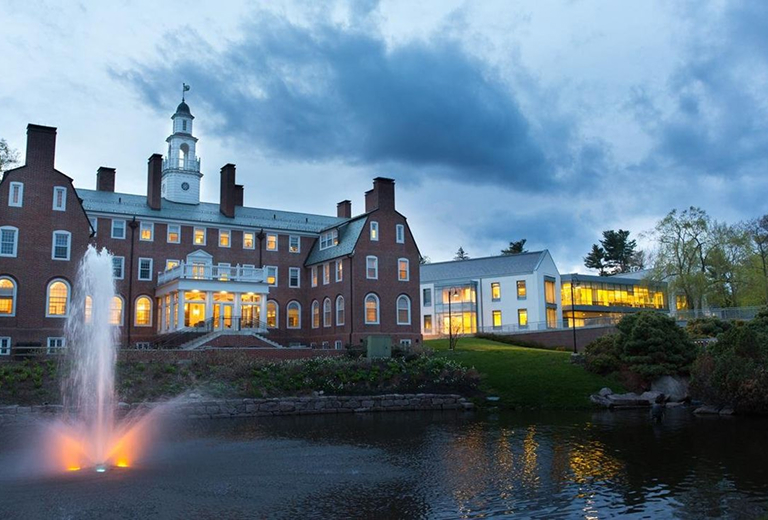
A coeducational boarding school founded in 1890 in Connecticut, USA. Around 860 students from 41 states and 58 countries come together at this prestigious school, consistently ranked among the top private schools in the nation.
Pride


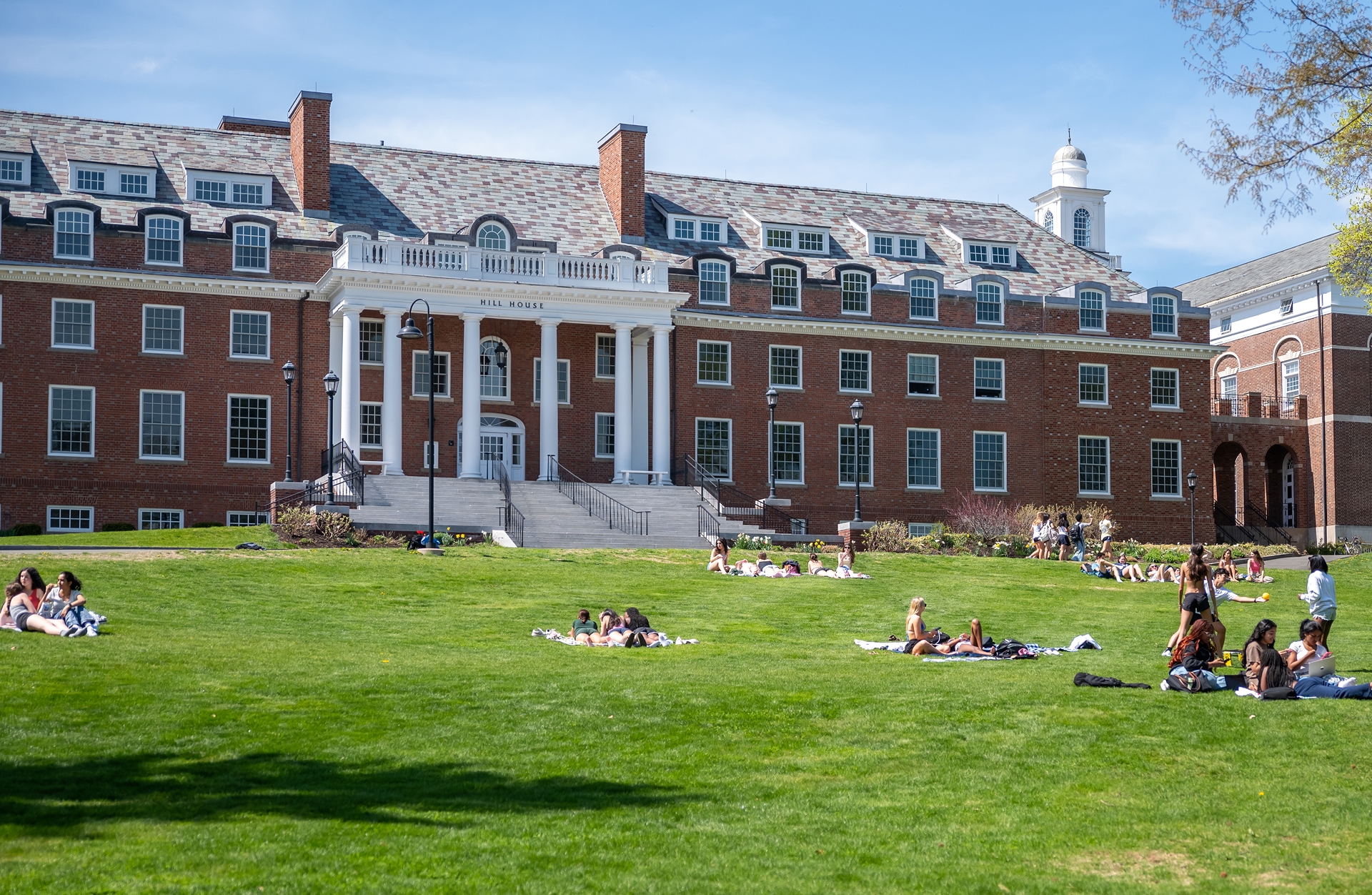
Founded in 1890, Choate Rosemary Hall is a co-ed boarding and day school situated in Wallingford, Connecticut. It is often ranked among the top 3 schools in the U.S. on websites such as Niche. Their school colors are gold and blue, and their mascot is the Wild Boar. The average SAT score is 1440, and the average ACT score is 33, both well above the national average. There are about 860 students from 41 states and 58 countries, with notable alumni such as the 35th president, John F. Kennedy. The most famous and popular school tradition is Deerfield Day, when a whole day is dedicated to sporting events against the school’s rival, Deerfield. This event signifies Choate’s unity and the “play hard work hard” culture.

Courses


3 terms · 7 disciplines · 6 languages · 300+ courses

Choate uses a trimester system, offering more than 300 courses across 7 academic disciplines and 6 languages (Arabic, Chinese, French, Greek, Latin, and Spanish). Students typically take five full-credit classes per term, with an option to take a sixth with permission from their Dean and advisor. AP classes are not offered, but Honors and Advanced-level courses are available in most departments.

Campus & Facilities

Campus Facilities


St. John Hall (SAC)

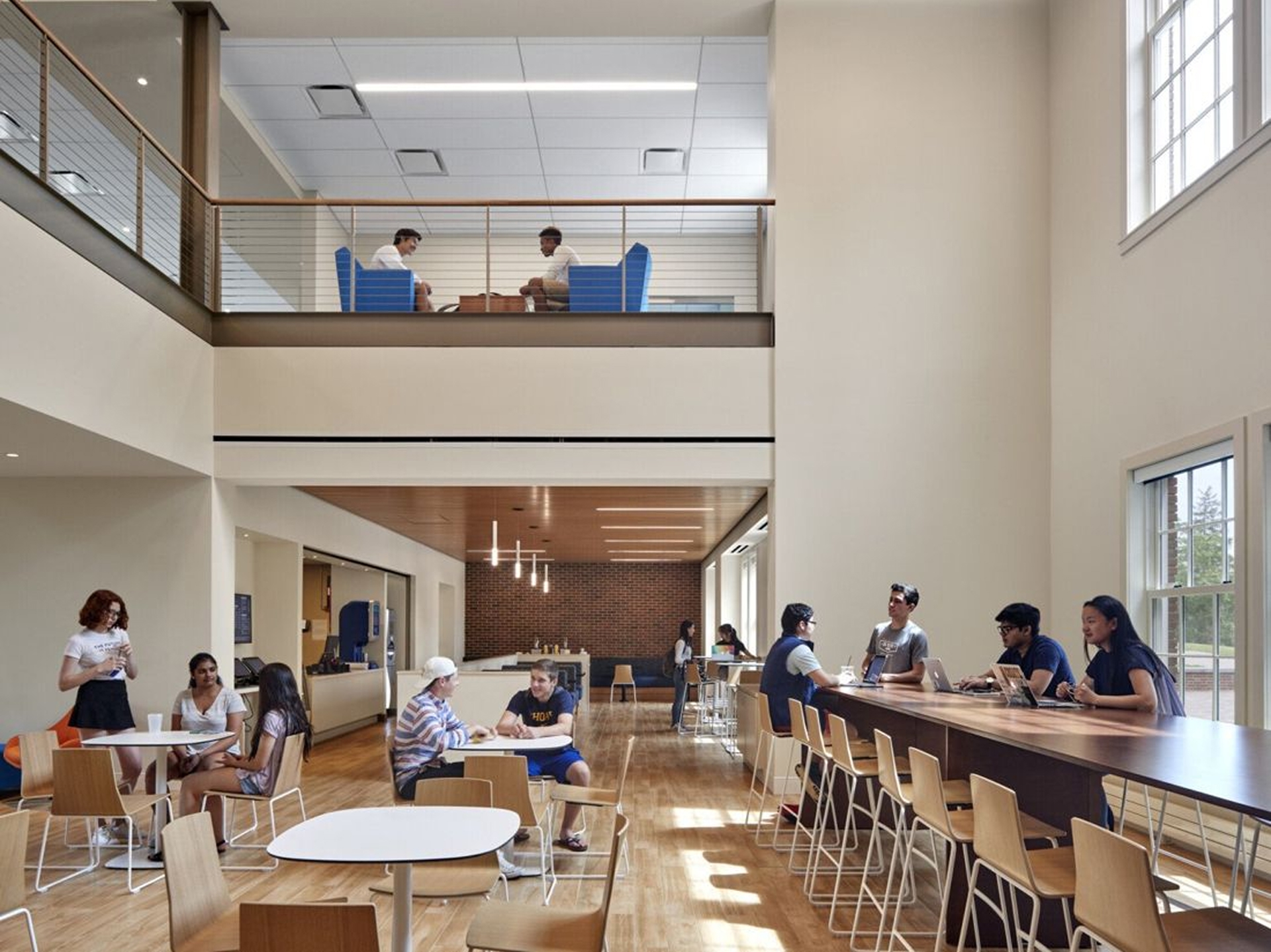
This is Choate’s student activity center, housing the school store, tuck shop, game room, and study rooms. This 3,350m² facility is LEED Gold-certified and a busy hub after school and on weekends, where students participate in all sorts of events and activities.
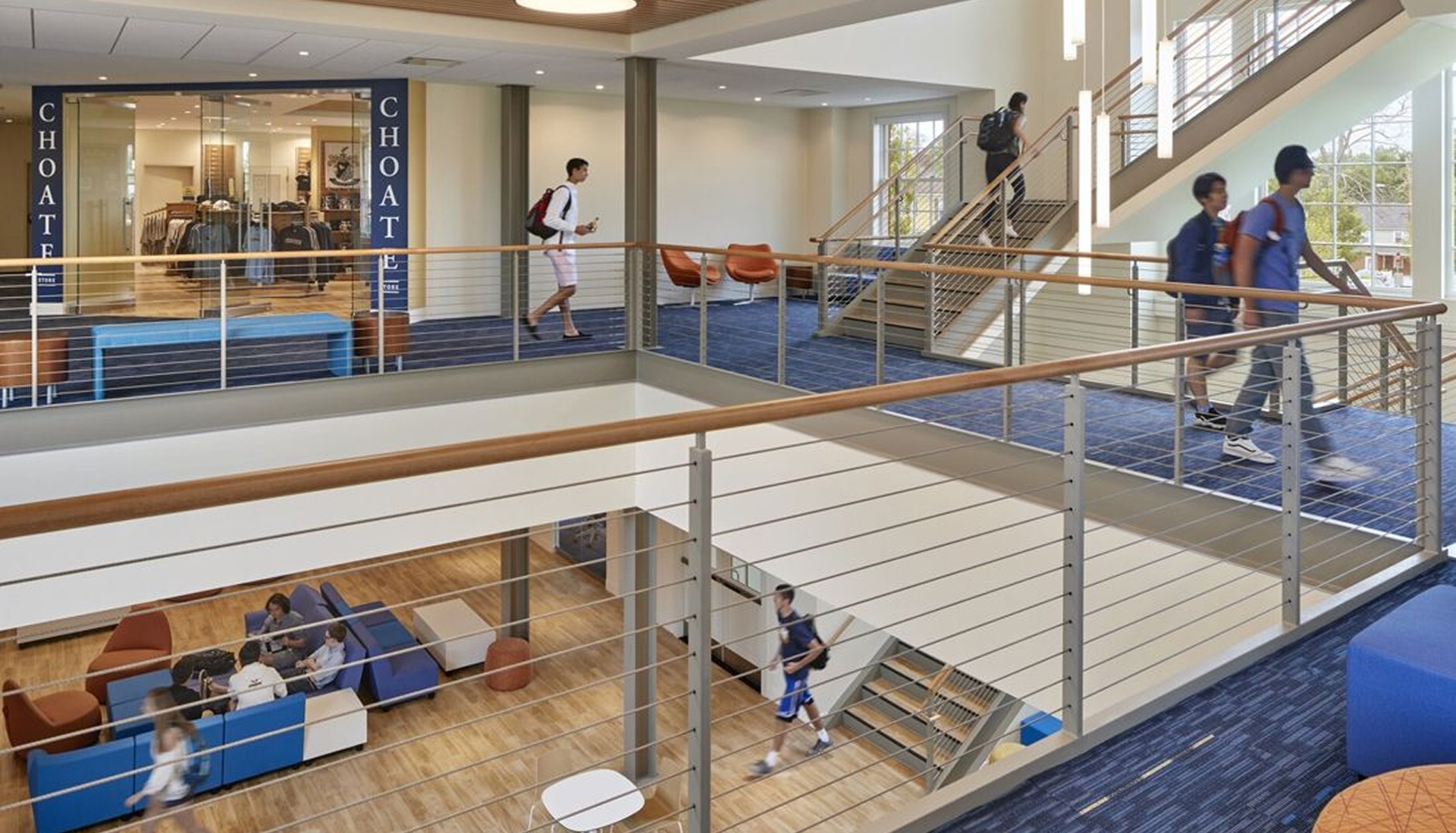
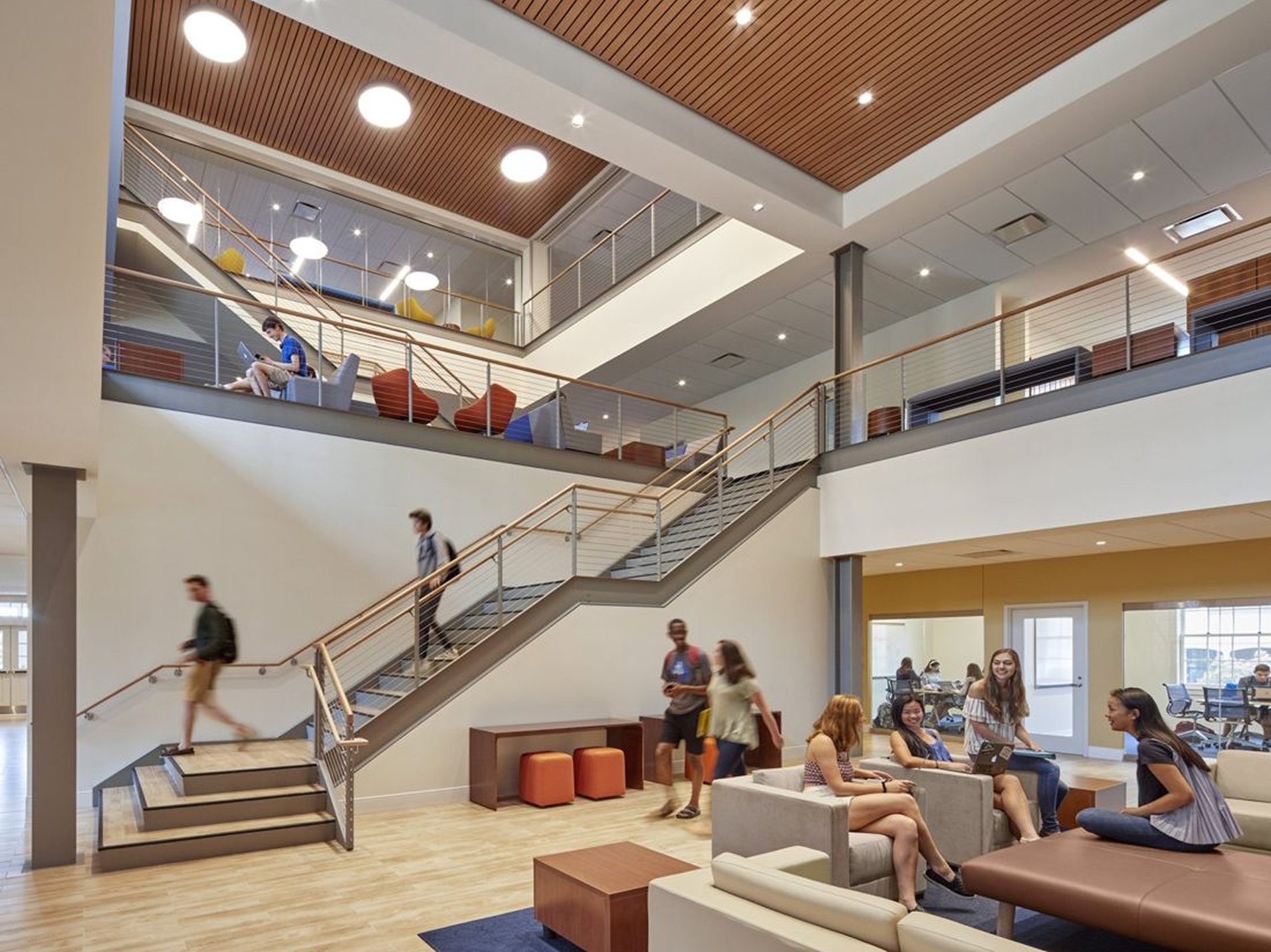
SAC exterior SAC interior SAC interior

Kohler Environmental Center (KEC)

This LEED Platinum-certified building is about 5 minutes from the main campus, which is dedicated to environmental science. Every year, about 20 juniors and seniors are selected through an application process to spend a year at the KEC and take part in the Environmental Immersion Program. The facility has 3 laboratories and a greenhouse just for students in the program, and all the building’s electricity is supplied solely by the solar panels in the vicinity. The KEC achieves net-zero energy, generating more renewable energy than it consumes over the course of a year and sharing the leftover electricity with the Wallingford community.
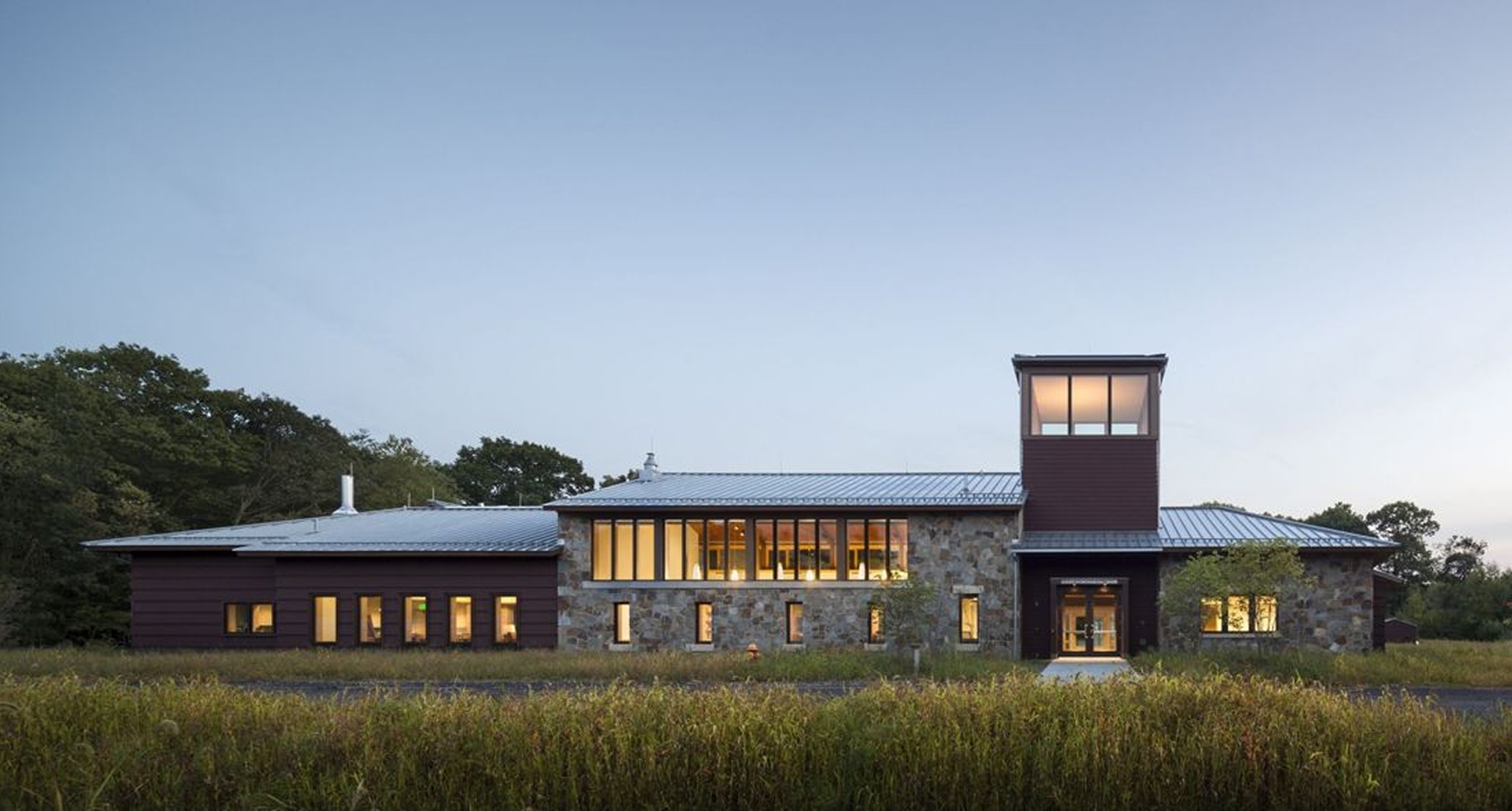
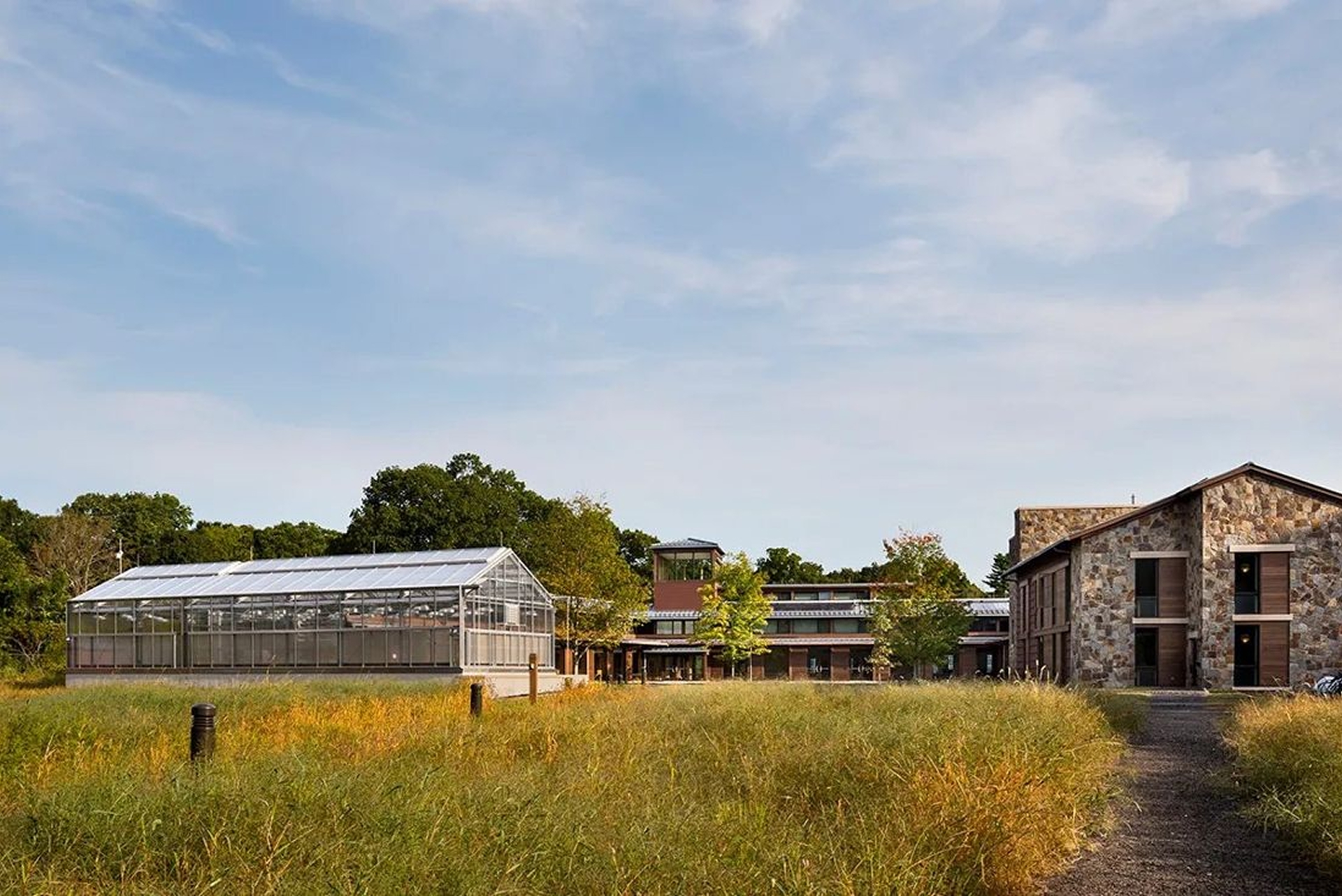
KEC exterior KEC interior

Paul Mellon Arts Center (PMAC)

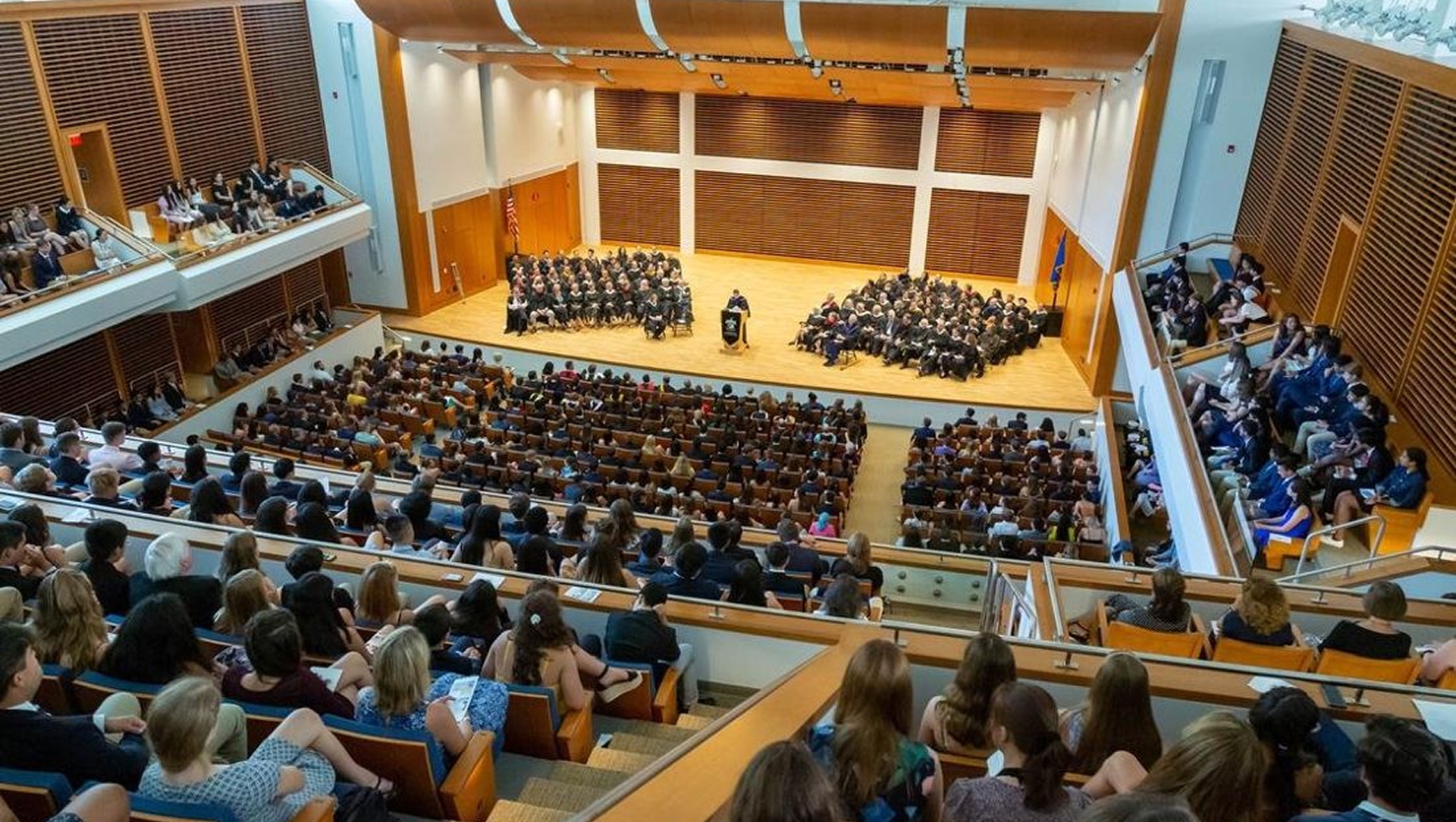
This arts center was built in 1972 and designed by I.M. Pei, who is famous for the glass pyramid at the Louvre. The PMAC houses a theater used for musicals and dance performances, music rooms, art studios, art classrooms, rehearsal spaces, and Colony Hall, the biggest auditorium with 1,070 seats. This art hub supports the school’s artistic side, especially students in the Arts Concentration Program.
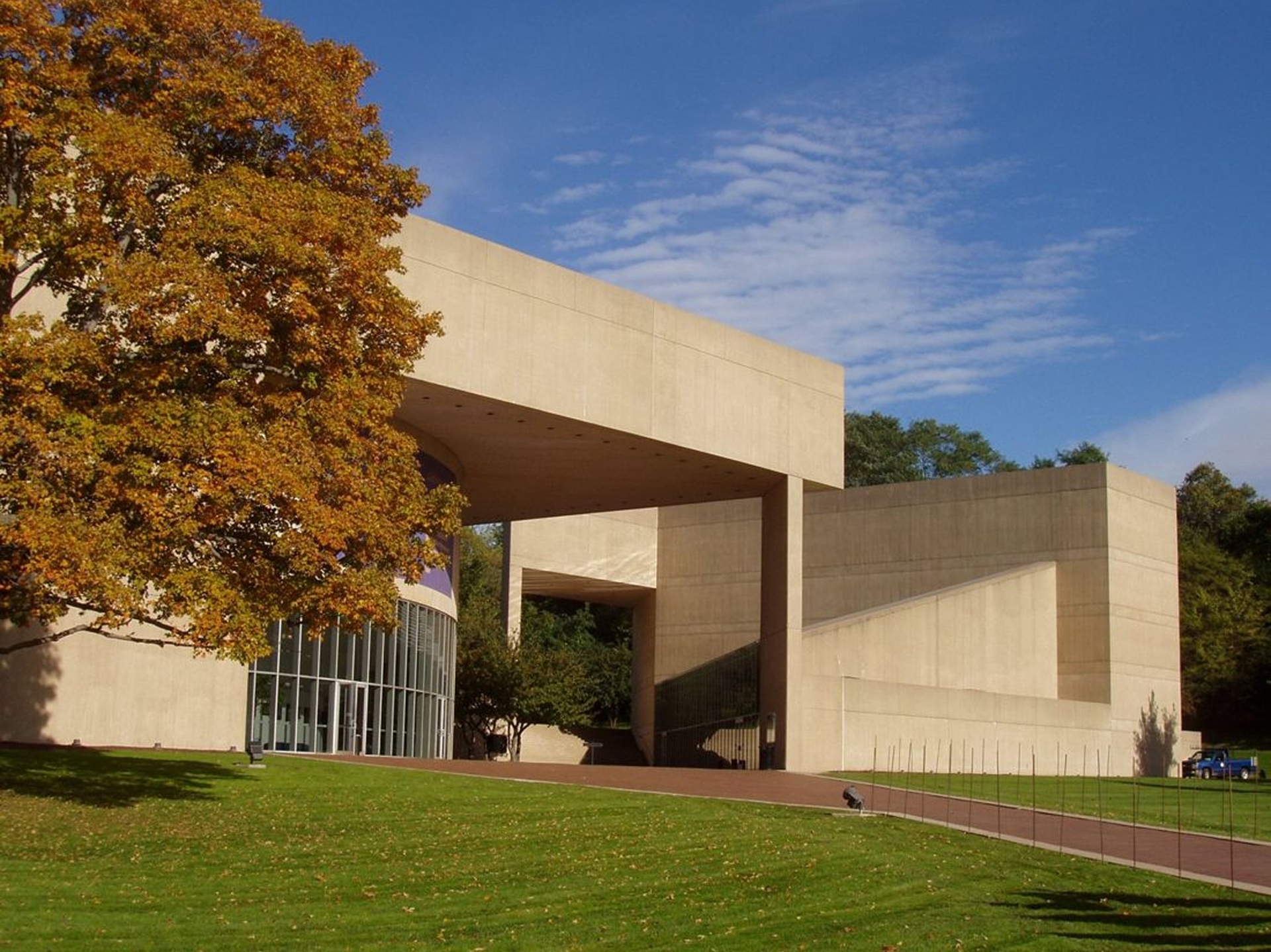
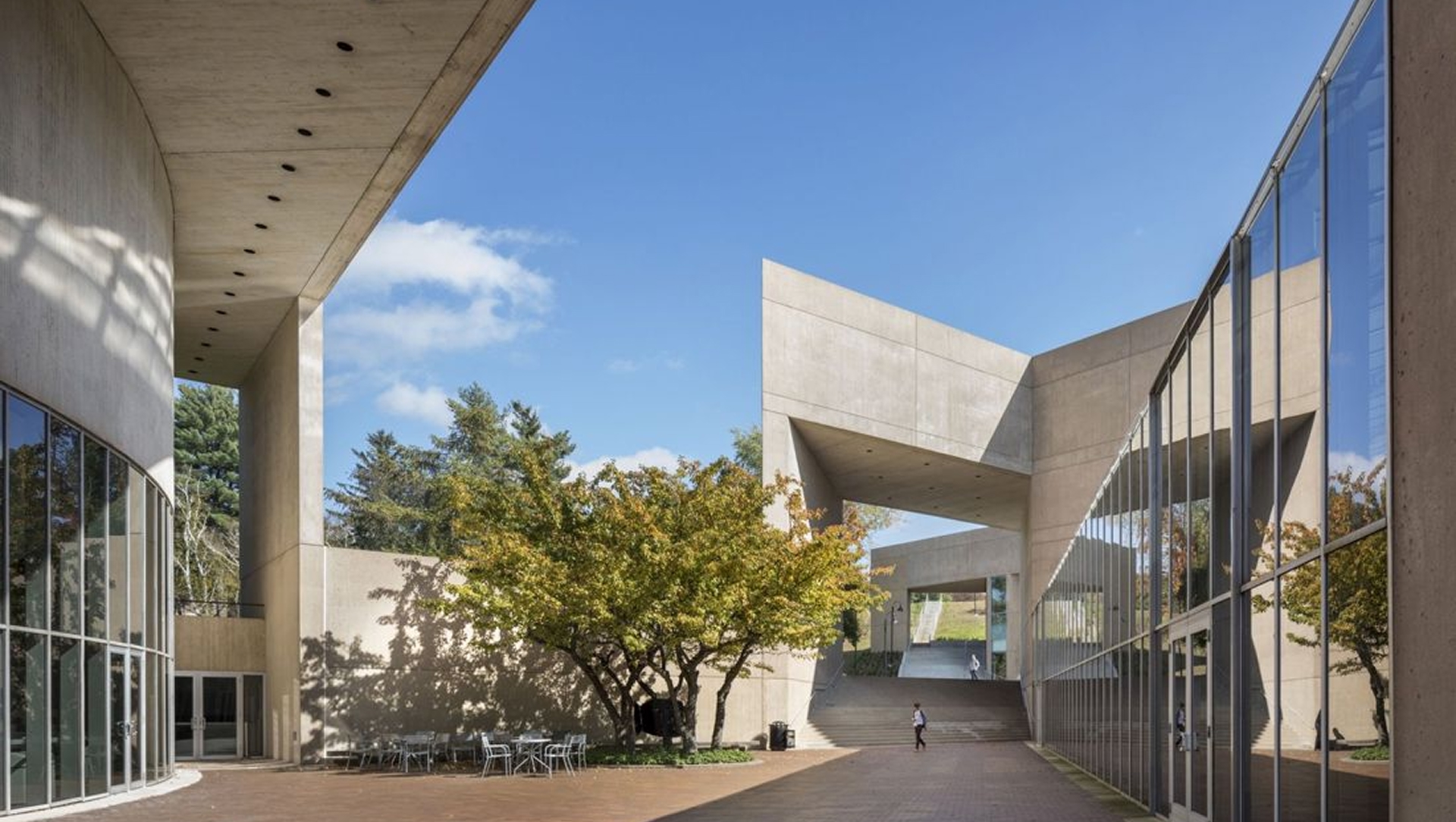
PMAC exterior PMAC interior

Affiliations


Choate Rosemary Hall is accredited by the New England Association of Schools and Colleges (NEASC) and is a member of the National Association of Independent Schools (NAIS), the Association of Boarding Schools (TABS), the Eight Schools Association, and the Ten Schools Admission Organization. The school competes in weekly athletic events against other schools that belong to these organizations.

Signature Programs


8 Signature Programs

Choate offers 8 signature programs to students who have already discovered a specific field they wish to focus on. Students can apply to these programs through the application process. Students in these programs can take specific classes, go on study abroad excursions, and participate in competitions. The signature programs are: the Advanced Robotics Program (ARC), Arabic and Middle Eastern Studies (AMES), the Arts Concentration Program (Arts Con), Capstone, the Environmental Immersion Program (EIP), the JFK ’35 Program in Government and Public Service (JFK), the Science Research Program (SRP), and the Global Education Program (GEP).

The Area

Safety

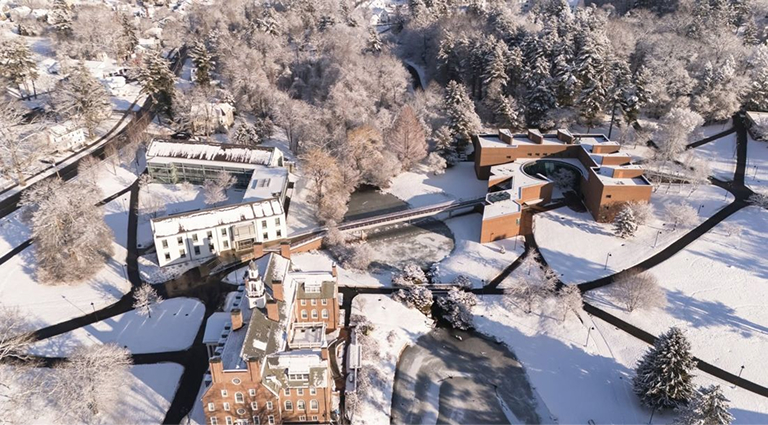
Choate is located in Wallingford, a quiet New England town of about 44,000 people, roughly halfway between New Haven and Hartford, the state capital. Wallingford’s overall crime rate runs well below the US national average, and the town is regularly ranked among the safer places to live in Connecticut. The 458-acre campus has dedicated security, and boarding students live in dorms supervised by resident faculty, creating a safe living environment.

Weather

Wallingford is well known for offering the full experience of New England’s four distinct seasons. Summers (June–August) are warm, with daytime highs around 27–35°C (81–95°F). The end of the spring term and the beginning of the fall term are especially warm, and many students take advantage of the weather by visiting nearby beaches. Winters (December–February) are cold and snowy, with daytime high temperatures generally between 0–4°C (32–39°F). Warm winter coats, boots, and layered clothing are essential. In most years, there is a snow day when classes are canceled due to heavy snowfall. During this season, some students also enjoy skiing at nearby mountains. Spring and fall have mild, comfortable weather and are the most popular amongst students. Fall is particularly famous for its beautiful autumn foliage, with daytime temperatures typically ranging from 10–20°C (50–68°F).

Accessibility

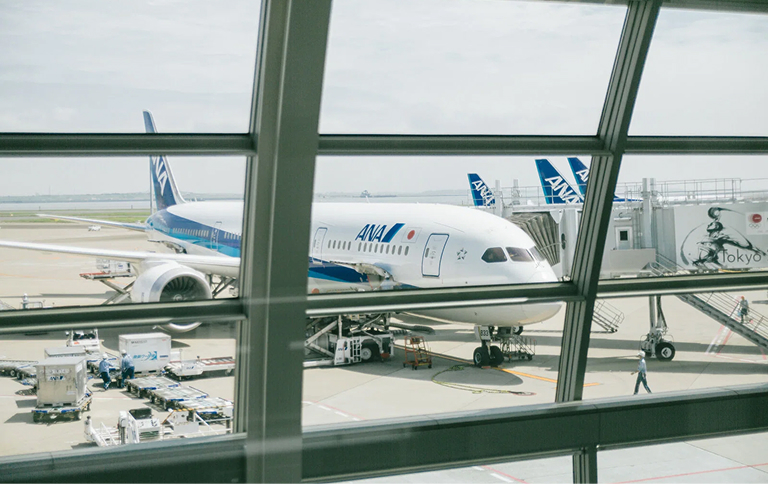
The closest airport to campus is Tweed New Haven Airport, located about 20–25 minutes away by car. The second-nearest is Bradley International Airport, near Hartford, about 35–40 minutes away. For international students, most families use John F. Kennedy International Airport (JFK) or LaGuardia Airport in New York, or Boston Logan International Airport, all of which are about 1.5 to 2.5 hours from campus by car. During major school breaks, the school arranges group transportation for boarding students to nearby airports, which a lot of students utilize. Wallingford is also home to an Amtrak station within walking distance of campus, providing direct rail service to both New York City and Boston. Since both Japan Airlines (JAL) and All Nippon Airways (ANA) operate nonstop flights between Tokyo Haneda Airport and JFK Airport, most Japanese families choose to fly through JFK.

Food

Along Main Street in downtown Wallingford, just a few minutes’ walk from campus, there are a variety of casual dining options such as pizza places, Italian restaurants, diners, and cafes. In New Haven, where Yale University is located, there is an even wider selection of restaurants, and it is a popular spot for students on weekends. New Haven is especially famous for its brick-oven “apizza” and a diverse range of international cuisine, including Japanese restaurants. Students typically stay in Wallingford, but go out to New Haven on special occasions.

Culture

Wallingford is a traditional New England town known for its strong sense of community. Choate’s campus also places a strong emphasis on diversity, with about half of its students from racial and ethnic minority backgrounds in the United States and 18% international students from 58 countries. Students at Choate describe themselves as more supportive and less competitive than those at other top boarding schools in the area. On campus, there are a variety of cultural organizations, including the Japanese Student Association. The school also provides spaces for different faiths, including a non-denominational chapel and a mosque, allowing students from diverse religious and cultural backgrounds to live together in an inclusive environment. As both the town and the school have long histories, students can experience a strong sense of history in the surrounding area.

Tips for Japanese Students

First-hand advice from Japanese students on finding food and everyday essentials.

Food

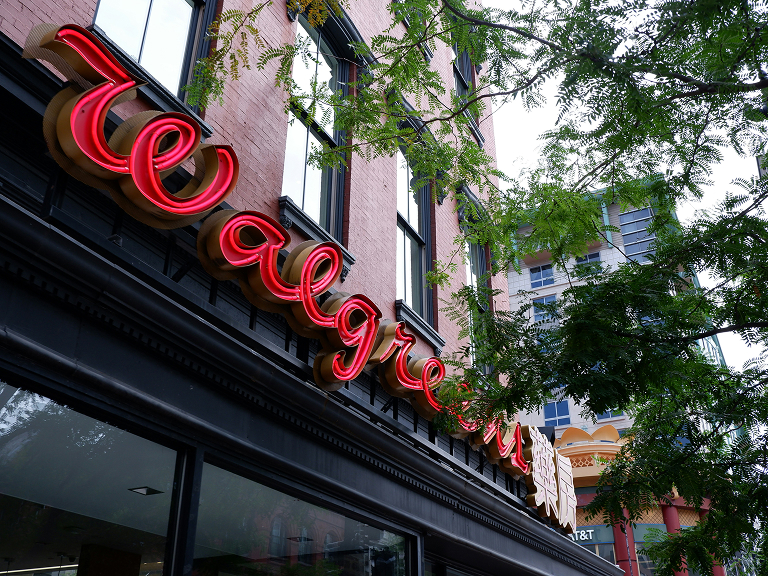
There is an Asian market called A8 Market about 10 minutes away from campus, but they mainly sell Chinese snacks and groceries. The most authentic Japanese grocery store is in New Haven, about 30 minutes away. The Loop by Hachiroku is a store that combines a Japanese restaurant and a grocery store. They sell Japanese rice, seasonings, snacks, frozen foods, as well as freshly made onigiri and in-store prepared sushi. For a wider selection of products, many students use online grocery delivery services such as Weee! to have items delivered directly to campus.

Daily goods

Everyday essentials and household goods can be easily purchased at nearby CVS, Walgreens, Target, and Walmart. However, Japanese skincare products, stationery, and familiar snacks are often difficult to find, so many students choose to bring these items from Japan.
Getting There

Access from Japan

There are no direct flights from Japan to airports near Wallingford, so most students travel from Narita or Haneda to either JFK Airport in New York or Boston Logan International Airport. There are direct flights to these international airports, which take about 13 to 14 hours, and students take shuttles to campus, which take around 2.5 hours from the airports. When using Bradley International Airport near Hartford, a connection at JFK or another major airport is usually required. However, Bradley Airport is only about 40 minutes from campus, making the drive much shorter. During long school breaks, the school also provides shuttle bus services to nearby airports for boarding students, which most students utilize.

What to bring


  • Laptop
  • Passport
  • Acceptance letter
  • Plug adapter
  • Winter clothing essentials

    Wallingford is actually located at a latitude similar to Hokkaido, Japan. To prepare for harsh winters, essential items include heavy coats, winter boots, gloves, and heat packs.

  • Japanese food & seasonings

    Japanese products can be difficult to find or significantly overpriced, so bringing any preferred items is recommended. Some American products may not suit individual needs, so it can be helpful to bring familiar products from Japan that are known to work well.

  • Small appliances

    Having an electric kettle or humidifier (make sure to check the school’s electronics rules in advance) can make dorm life more comfortable, allowing for making instant meals and making the harsh, dry winters less uncomfortable.

  • Comfortable everyday shoes

    The campus is much larger than most high schools in Japan, so bringing comfortable and familiar daily shoes is important.

  • Semi-formal attire

    While the school does not have a daily dress code, there are some events where students are required to wear semi-formal clothing, so having more than 2 outfits is recommended.

Thinking about your path? Let's talk.

Get in Touch

Contact Us

Choosing a school, application timing, daily life abroad —
start with even the smallest question.