
EN JA

Schools / United States

Phillips Exeter Academy

20 Main Street, Exeter, NH 03833, USA
Official website
  • Boarding / Day
  • Co-ed
  • Grades 9–12
Phillips Exeter Academy

Summer School

Available

Financial Aid

Need-based

Admissions

Gateway

About the School

Founded in 1781, Phillips Exeter Academy is a co-ed boarding and day school in New Hampshire. Known as the birthplace of the Harkness method, it draws about 1,100 students from 44 states and 39 countries and ranks among the top schools in the U.S.
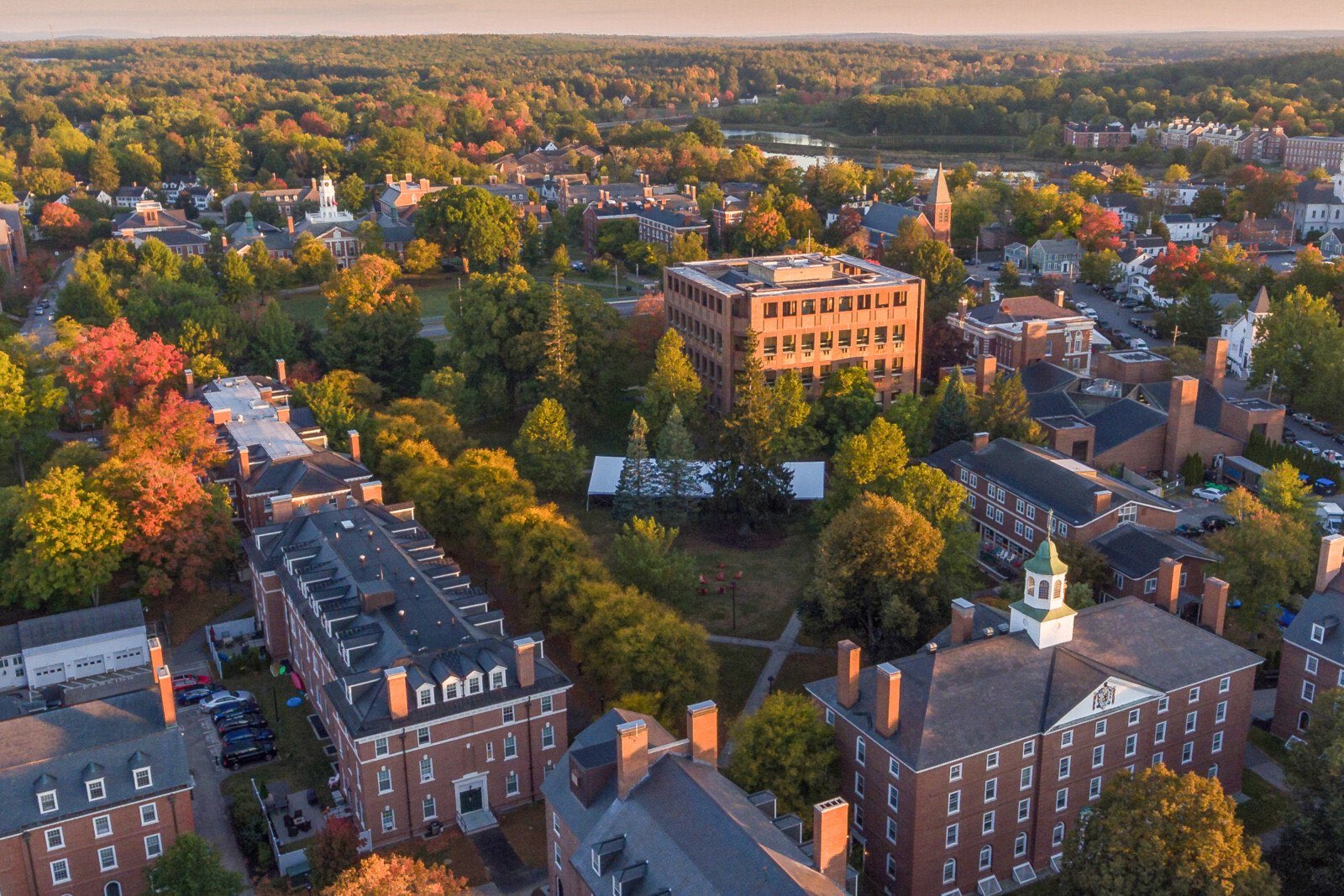
Pride


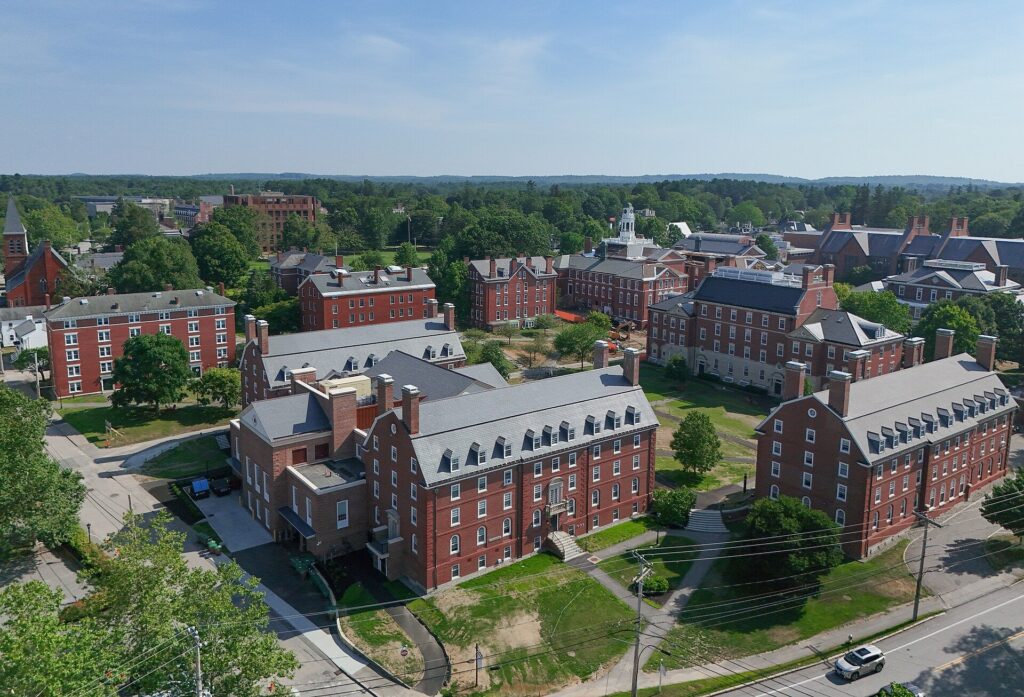
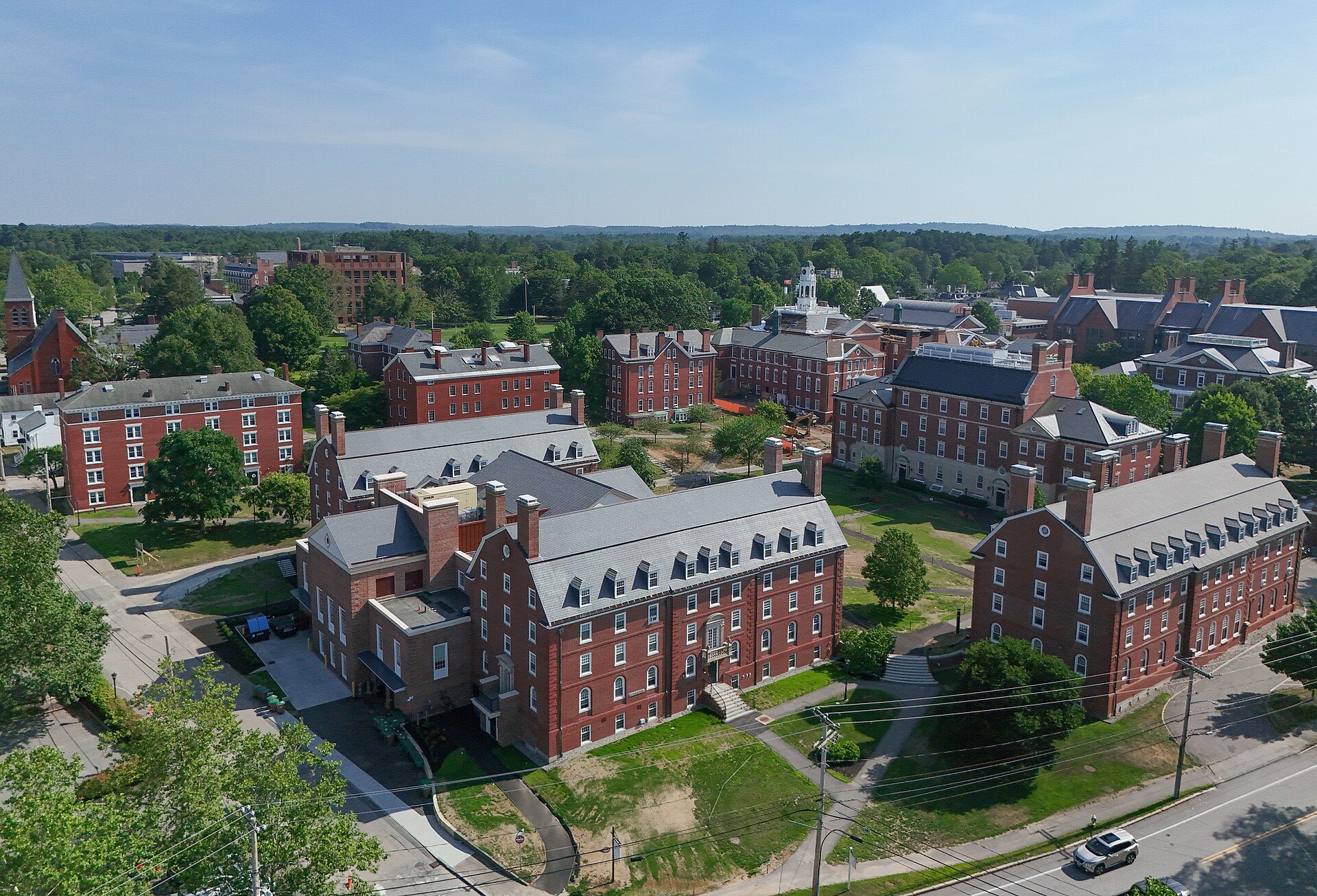
Founded in 1781, Phillips Exeter Academy is a co-ed boarding and day school located in Exeter, New Hampshire. It is the birthplace of the Harkness method, a discussion-based approach to learning in which about 12 students and an instructor sit around an oval table, and it is consistently ranked among the top boarding schools in the country. Around 1,100 students from 44 states and 39 countries are enrolled, and 56% identify as students of color. Around 10% of the school population are international students. The school colors are maroon and gray, and its athletic teams are known as the “Big Red.” The average SAT score is 1438, and the average ACT score is 32, both well above the national average. One of its most well-known alumni is Facebook (now Meta) founder Mark Zuckerberg. Its most famous tradition is “Exeter Andover Day,” one of the oldest school rivalries in the country, dating back to 1878, in which Exeter competes against its sister school, Phillips Academy (Andover), in athletic contests throughout the fall, winter, and spring.

Courses


Trimester system / 450+ courses across 18 subjects / Harkness tables, 6:1 ratio

Exeter operates on a trimester system, offering more than 450 courses across 18 subject areas. Nearly every class is taught in small, discussion-based groups of about 12 students seated around a Harkness table. Students typically take five courses per term. Exeter does not offer AP classes because its courses are considered to go well beyond the AP curriculum. More than 60% of classes are taught at the level of a first-year college course or higher, and the student-to-teacher ratio is 6:1.

Campus & Facilities

Campus Facilities


Class of 1945 Library

Completed in 1971 and designed by architect Louis Kahn, the Class of 1945 Library is the largest secondary school library in the world. It holds around 380,000 volumes across nine levels, including 250,000 print books, and features seminar rooms equipped with Harkness tables and 210 individual study carrels. In 2007, it was named one of America’s Favorite Architectures by the American Institute of Architects and remains one of the best-known buildings on campus.
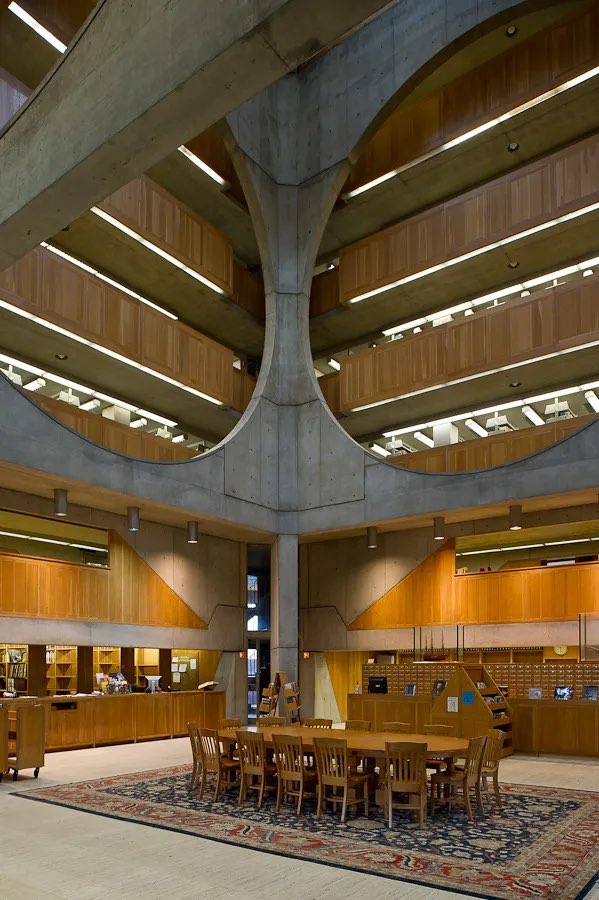
Class of 1945 Library

Phelps Science Center

Opened in 2001, the Phelps Science Center is home to 22 classroom-labs equipped with Harkness tables and four shared labs for interdisciplinary and independent research. The building also houses a humpback whale skeleton assembled by students and faculty, a 900-gallon tropical marine aquarium, and a maker space with 3D printers and a laser cutter, where students can freely pursue projects ranging from robotics to woodworking.
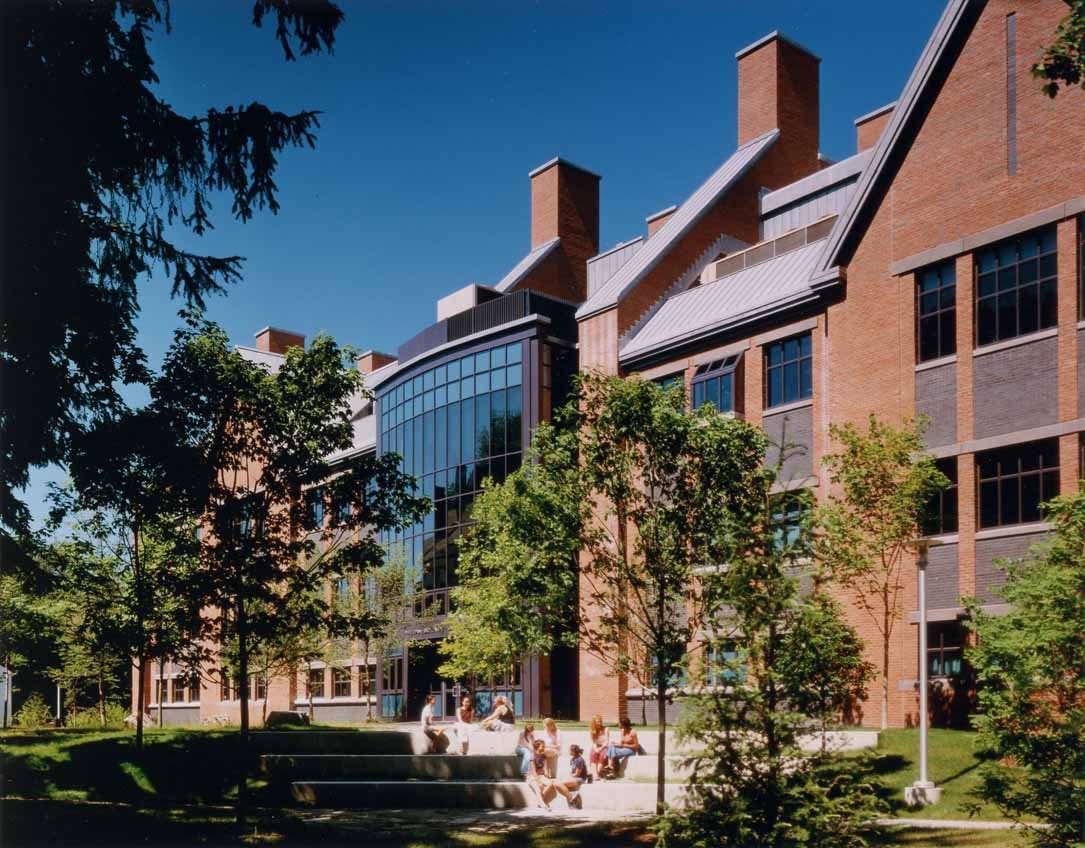
Phelps Science Center

Frederick R. Mayer Art Center

Built in 1903, the Frederick R. Mayer Art Center is home to the Art Department and the Lamont Gallery. It houses a large ceramics studio, as well as printmaking, drawing, painting, and 3D design studios, and the College Counseling Office. The Lamont Gallery regularly hosts exhibitions of work by students and professional artists.

Frederick R. Mayer Art Center

Affiliations


Exeter is accredited by the New England Association of Schools and Colleges (NEASC) and is a member of the National Association of Independent Schools (NAIS), The Association of Boarding Schools (TABS), the Eight Schools Association, and the Ten Schools Admission Organization. The school regularly competes in athletic events against other prestigious schools that are members of these associations.

Signature Programs


Global Initiatives / School Year Abroad (SYA)

Through Exeter’s Global Initiatives program, more than 450 students and 70 instructors take part in off-campus learning opportunities each year. These include term-long programs in Germany, England, Spain, Japan, and the Bahamas, as well as domestic options such as the Mountain School in Vermont and the Washington Intern Program in Washington, D.C. School Year Abroad (SYA), co-founded in 1964 by Exeter, Phillips Academy, and St. Paul’s School, allows students to spend a full year living with a host family while studying in countries such as China, France, Italy, or Spain.

The Area

Safety

Exeter, New Hampshire, is a historic New England town with a population of about 16,000, located roughly 50 miles north of Boston. Its crime rate is generally lower than the national average, and residents consider it a safe place to live. The Academy’s 700-acre campus has dedicated campus security, and boarding students live in dorms supervised by resident faculty, creating a safe environment for daily life.

Weather

Exeter has a humid continental climate with four distinct seasons. Summers (June–August) are warm, with daytime highs around 26–28°C (79–82°F). Winters (December–February) are cold and snowy, with daytime highs around 0–1°C (32–34°F) and nighttime lows that can drop to nearly -9°C (16°F), making warm coats, boots, and gloves essential. Spring and fall are milder and more comfortable, and fall is especially known for its beautiful foliage.

Accessibility

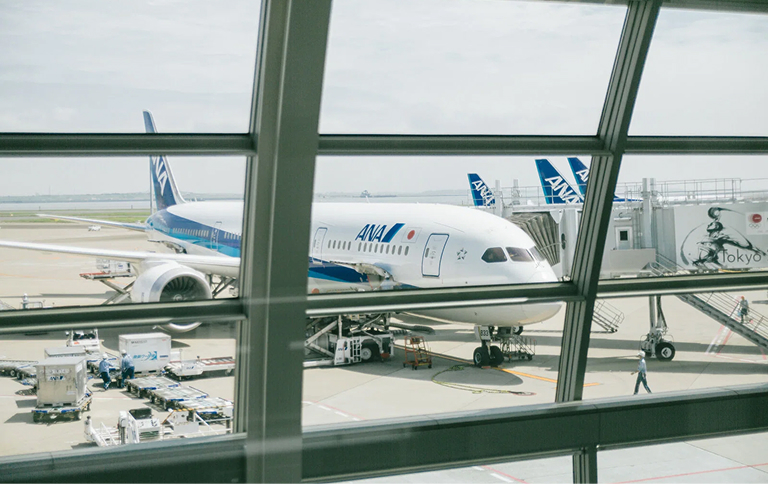
The closest airport is Portsmouth International Airport at Pease, about 20 minutes away by car, followed by Manchester-Boston Regional Airport (about 40–45 minutes) and Boston Logan International Airport (about an hour). For international travel, most students use Boston Logan, since JAL operates nonstop flights between Narita/Haneda and Boston. The town of Exeter has its own Amtrak Downeaster station within walking distance of campus, offering a direct connection to Boston’s North Station. Students can easily use car services and the C&J Trailways bus when they need to travel to the airport.

Food

Along Water Street in downtown Exeter, within walking distance from the campus, there are cozy cafes, pizzerias, bakeries, and breweries. OBA Noodle Bar, a popular spot for Thai food and ramen, also serves Japanese-style curry. The nearby city of Portsmouth, about a 20-minute drive away, offers a wider range of restaurants, and Boston, an hour’s drive from Exeter, is filled with even more restaurants from various cuisines.

Culture

Settled in 1638, Exeter is a historic New England town known for its strong sense of community. The school similarly places great value on diversity, with 56% of students identifying as students of color and international students representing 39 countries. On campus, groups such as the International Student Alliance (ISA) support the school’s international community, and the Office of Multicultural Affairs sponsors a wide range of cultural events, including Lunar New Year. Japanese language classes are also offered, allowing students to engage with Japanese culture. As both the town and the school have deep histories, a strong sense of history runs throughout the surrounding area.

Tips for Japanese Students

First-hand advice from Japanese students on finding food and everyday essentials.

Grocery

The town of Exeter itself has no dedicated Japanese grocery store. The closest Asian supermarket carrying Japanese products is H Mart in Burlington, Massachusetts, about 45 minutes away, which sells Japanese seasonings, snacks, and frozen foods. For a wider selection, students may travel about an hour to Boston or Cambridge, where there are larger Asian grocery stores like H Mart and Maruichi Japanese Food & Deli. Online grocery delivery services such as Weee! are a convenient option, offering a wide selection of Japanese groceries that can be shipped directly to campus.

Getting There

Access from Japan

There are no direct flights from Japan to airports near Exeter. Most students fly nonstop from Narita or Haneda to Boston Logan International Airport on JAL (about 13–14 hours), then drive about an hour to campus. Manchester-Boston Regional Airport does not have direct flights from Japan, so a connection is required, but this makes the drive to campus about 15 minutes shorter. Exeter does not provide a free airport shuttle, but students often use the C&J Trailways bus or a car service to get to Boston Logan, which the school recommends.

What to bring


  • Laptop
  • Passport
  • Admission letter
  • Plug adapter
  • Winter clothing

    Winters at Exeter are brutally cold, so warm coats, boots, gloves, and heat packs are essential.

  • Small appliances

    An electric kettle or humidifier (check the dorm’s electronics rules in advance) makes dorm life more comfortable — handy for instant meals and easing the dry winters.

  • Comfortable bedding

    At a busy school like Exeter, sleep matters. Bringing bedding you like and find comfortable is a good idea.

  • Comfortable shoes

    With a campus of over 700 acres to cross every day, at least one pair of comfortable, familiar shoes is a must.

  • Semi-formal outfit

    Casual clothes are fine day-to-day, but some school events call for semi-formal wear, so one or two outfits are recommended.

Thinking about your path? Let's talk.

Get in Touch

Contact Us

Choosing a school, application timing, daily life abroad —
start with even the smallest question.